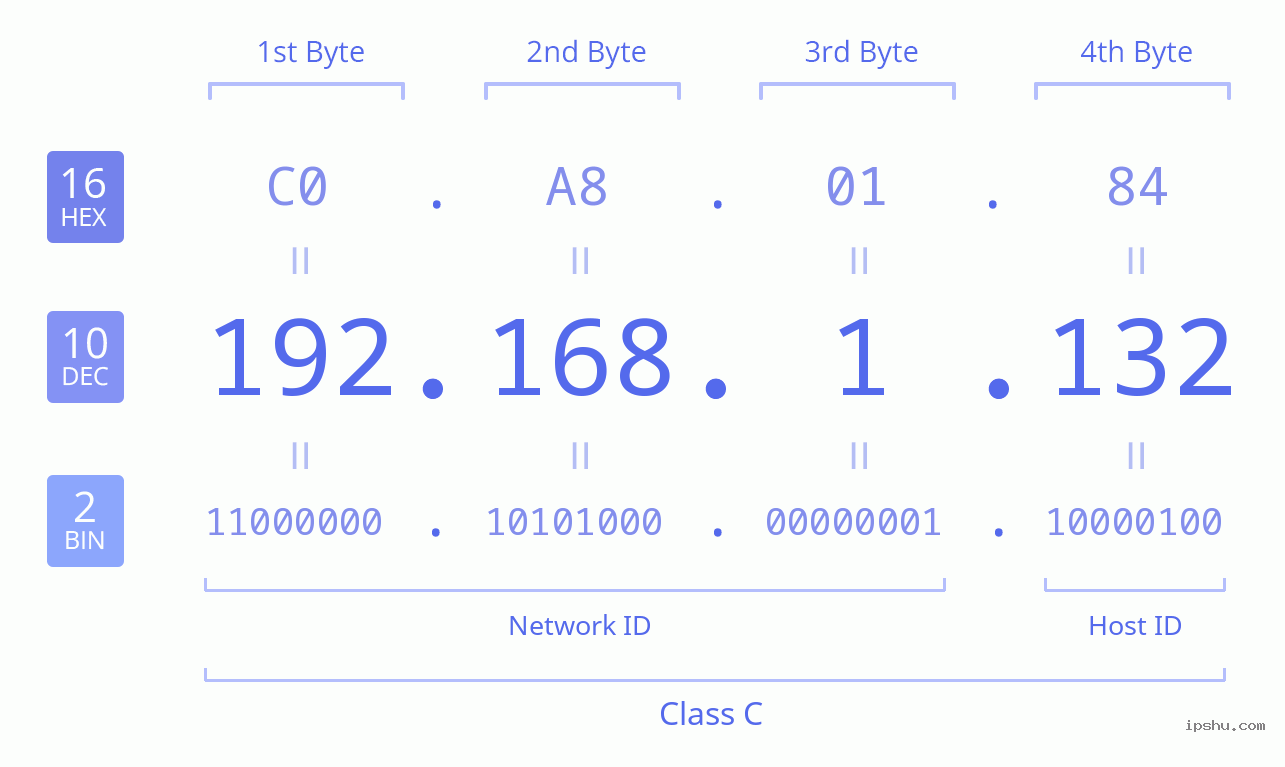
IP
IP1. What can 192.168.1.132 do?
The IP address 192.168.1.132 is the default gateway for most wireless routers or ADSL modems.
The router can use multiple IPs as the login address, but 192.168.1.132 is one of the common addresses. It should be noted that the default IP access address is different for different brands of routers, and users are generally allowed to modify the default address. Therefore, please refer to the specific access address. It should also be added that the default port is generally 80, so the port is omitted from the access address (the complete address is http://192.168.1.132:80). If the port value is modified, it needs to be written completely, for example, http://192.168.1.132:8080.
To manage your router, fill in 192.168.1.132 in your browser's address bar. After you successfully access the router management panel, you can adjust and set the following options: IP Qos, DNS, proxy, LAN, WAN, network management, security options, WLAN settings, PPPOE, MAC, WPS, DSL, and DHCP clients end.
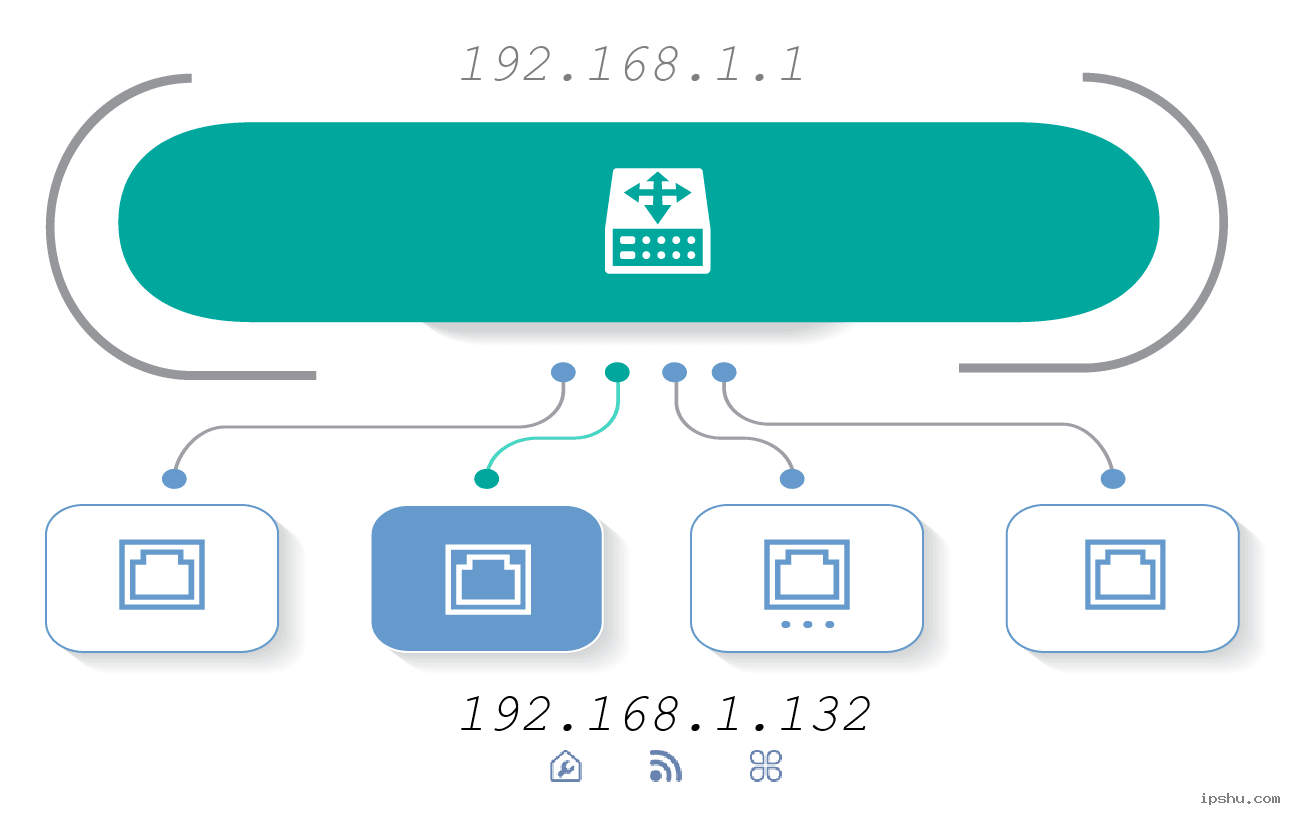 Icon / Image Meaning Table
2. How to log in 192.168.1.132 IP address?
Do as follows:
1. Check the management address of your router in the manual or check the login IP and default user name and password through the instructions on the back of the router (see [Figure 1]).
2. Manually enter http://192.168.1.132 in the address bar of your browser and press Enter.
3. Enter your username and password on the login page, and then click "Login" to log in to your router administration page. Usually, the default username and password are both admin.

[Figure 1]
❕ Note:
①If you cannot log into the router interface via 192.168.1.132, please try another address, such as: 192.168.0.1 or 10.0.0.1. For details, please refer to the router's manual or the label on the back of the router. Please refer to Q&A: How to find the router IP address?
②If you have changed your username and password, and you have forgotten it, please follow How to reset the username and password of the router? to perform a router reset operation.
3. How to reset the username and password of the router?
Do as follows:
If you forget your login password, you will need to reset your wireless router or ADSL modem. You can find the default password of the router through the above method. If you still cannot find it, you can reset the router. The router has a hidden reset button. When the device is powered on, you can gently press the Reset button on the router for more than 10 seconds with a toothpick. Then release the button to restore the device to the factory configuration and automatically Restart. (see [Figure 2]).
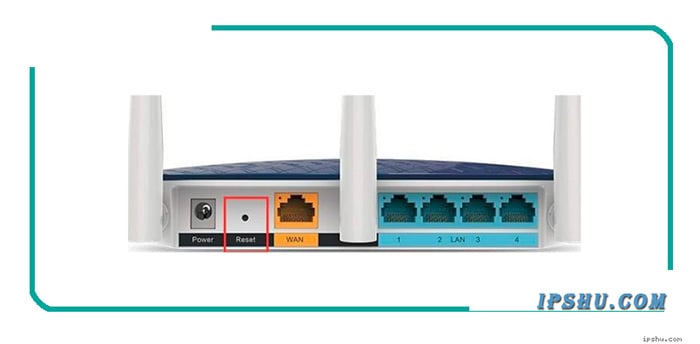
[Figure 2]
Graphical example of correct router connection

[Figure 3]
For the complete method of logging into the router management interface, please refer to Q&A: How to login to the router interface.
4. What if the router management interface cannot be opened?
Enter http://192.168.1.132 in the browser to display that the webpage cannot be opened. When the router login interface cannot be opened, the following figure is shown (see [Figure 4])

[Figure 4]
Do as follows:
1. Please make sure that the router and the computer are properly connected and the router's LAN port is on and the corresponding indicator is on according to [Figure 3]
2. Set the computer's IP to get it automatically
3.Check if the address you entered in the browser is the router management address (according to [Figure 1])
4. Check if the router port is modified: If remote management is enabled on the router and the management port of the router has been modified, you need to log in as http://management IP:nn, nn is the modified port number, such as: http://192.168.1.132:8080.
5. Check if the browser is set to the proxy mode. If the browser is set to the default automatic dialing or proxy server function, it will fail to login to the management interface.
6. The router has enabled the mandatory binding of IP and MAC address. If it is not set correctly, it will lead to failure to log in to the management interface. If you forget the router management IP or port, it is recommended to restore the router to factory settings (according to [Figure 2]).
5. How to modify the wireless WIFI password and wireless network name?
The reasons for modification: prevent being hacked to improve network security, make wireless WiFi easy to remember, etc.
Do as follows:
1. Log in to the management page of the router (refer to question 2: How to log in 192.168.1.132 IP address?).
2. Click the "Wireless" menu under the routing setup after successfully logging in to the router's management page.
3. On the wireless page, enter the new wireless network name and new wireless WIFI password, and then click "Save" (see [Figure 5]).

[Figure 5]
6. How to modify the IP address of the login router?
The default login address is preset by your router, so you will have a login IP address or domain name when you get a new router. But users can modify it by themselves, which can effectively prevent others from tampering with your router information.
Do as follows:
1. Log in to the management page of the router (refer to question 2: How to log in 192.168.1.132 IP address?).
2. Click the "LAN" menu under the routing setup after successfully logging in to the router's management page. The LAN port IP settings default to automatic (recommended).
3. Modify the LAN port IP address to your own desired IP. For example, modify it to 192.168.2.1 or 192.168.3.1 (see [Figure 6]).
4. After saving, restart the router and login to the router with the new address.
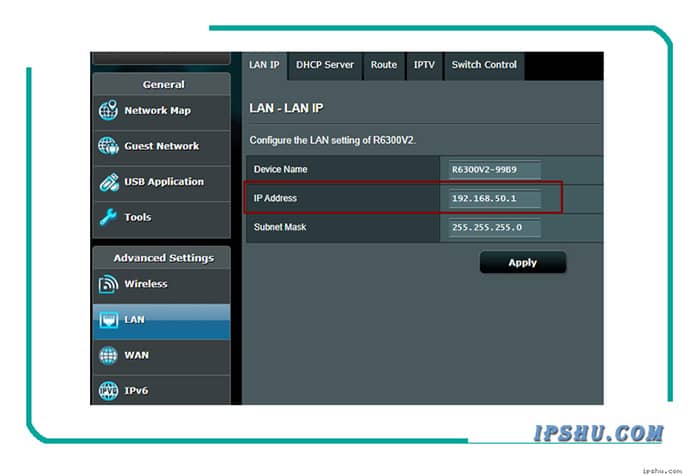
[Figure 6]
💡 Tip: If you encounter any problems during this process, you can restore the router to factory settings so that all custom settings are restored to their original state.