 IP
IP
For many people, “192.168.100.1” may look like just another set of numbers. However, for network administrators and home users managing their own routers, it is an essential address. It acts as the entry point to the router’s management interface. Through this IP address, users can personalize network settings and improve both network performance and security.
Total Time: Approximately 10 minutes
Supply & Tools:
- Router
- Computer or Mobile Phone
What Is 192.168.100.1?
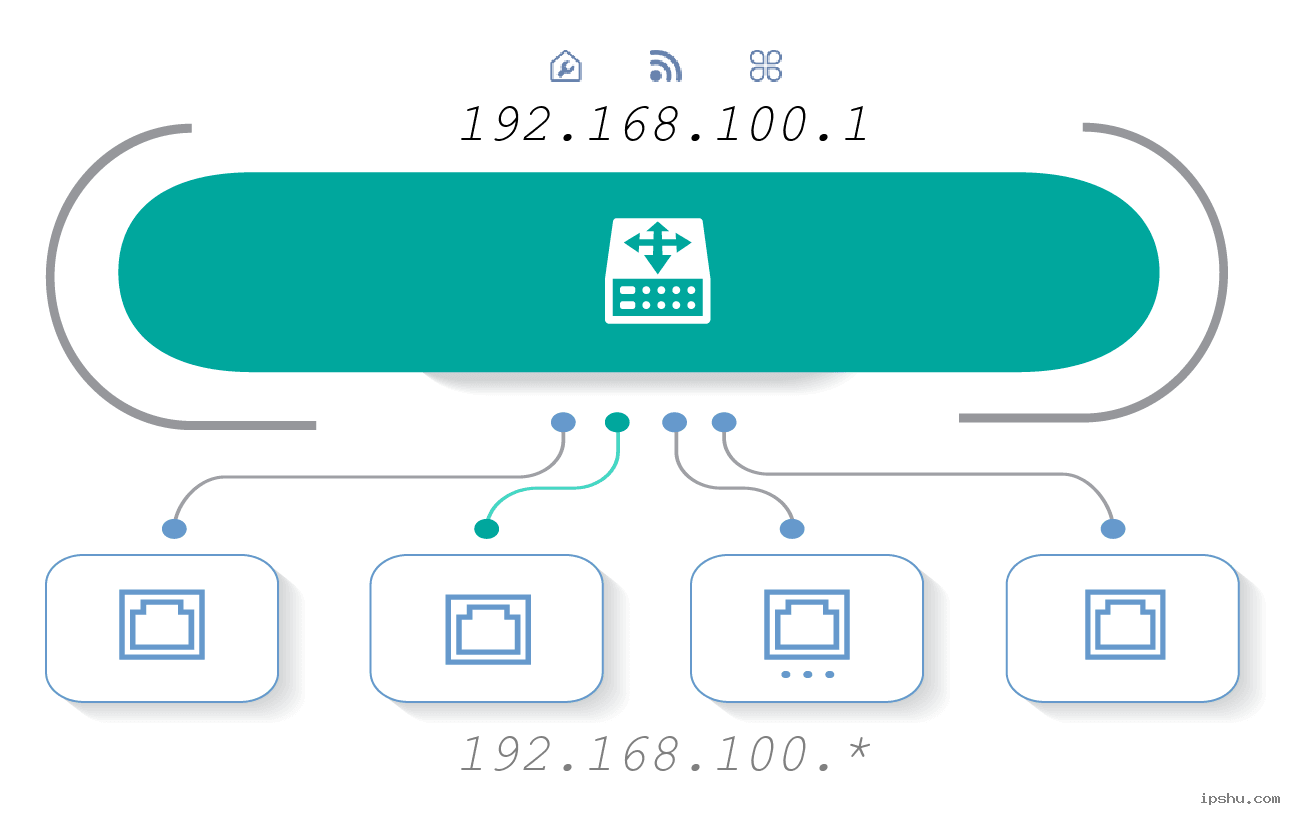
Let’s first take a quick look at what 192.168.100.1 is. This is a private IP address typically assigned to routers in home or small office networks. By entering this address into your browser, you can access the router’s management interface and configure various network settings.
In practice, users sometimes enter incorrect variations such as 192.168.I00.1, 192.168.100.I, 192.168.1001, or 192168.100.1. These are all incorrect formats. When typing the address, take your time and make sure you enter 192.168.100.1 correctly.
How to Log In to the Router Using 192.168.100.1?
1. Connect to the Network: On your mobile device or laptop, open the settings and search for your router’s Wi-Fi network. Enter the password to connect. If you are using a desktop computer, connect it directly to the router’s LAN port using an Ethernet cable.
2. Access the Login Page: Open a browser on your phone or computer (such as Chrome, Safari, or Edge). In the address bar, enter http://192.168.100.1 and press Enter. You will be redirected to the router login page.
3. Enter Username and Password: When prompted, enter the router’s administrator username and password to verify your identity. If you have never changed the credentials, you can try the default login details, which are commonly “admin” and “admin” or “password.” If you previously modified them, use your updated credentials.
4. Access the Management Interface: After logging in successfully, you will see the router’s admin panel. From the left navigation menu, you can adjust settings such as changing the Wi-Fi name, configuring a guest network, or managing firewall settings.


